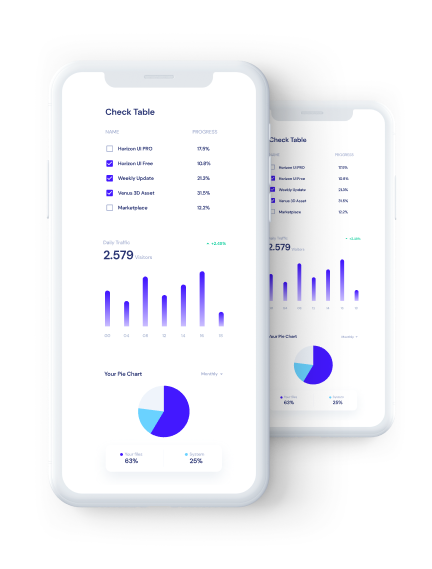



While public sentiment has yet to deteriorate significantly, the conversation is becoming more focused on issues that directly affect daily life, particularly affordability, food security, and economic stability. The data suggests that policymakers still have a valuable window to strengthen public confidence through timely action, clear communication, and visible progress on the issues that matter most to Malaysians.
312K mentions tracked | 98 days monitored | 18.4M total engagements
Source: DXT:360 | Data period: 27 February – 5 June 2026 | Platforms: Facebook, Instagram, TikTok, Online News, Print, YouTube, Forums

 Alt text image : Malaysia prepares for crisis in food, trade, climate and fiscal sectors in coming years.
What Malaysia must prepare for NEXT…
Alt text image : Malaysia prepares for crisis in food, trade, climate and fiscal sectors in coming years.
What Malaysia must prepare for NEXT…
 31% negative | 40% positive | ~32K mentions
 There is a narrowing window of opportunity for Malaysia to act. The combination of delayed decisions across energy, food, trade and fiscal policy represents an economic exposure of up to billions. Each month of inaction adds to the cost.
WHAT’S NEXT?
“The next phase of this crisis will not be determined by oil prices alone but by how effectively governments, industries, and communities respond to changing realities.” — By Dataxet Team
CONSULT US NOW!
EMAIL US: INFO@DATAXET.NAMA.COM.MY
FOLLOW US ON LINKEDIN: DATAXET MALAYSIA
FOLLOW US ON FACEBOOK: DATAXET MALAYSIA
Let’s decode the next wave of growth together.
Source: DXT:360 | Data period: 27 February – 5 June 2026 | Platforms: Facebook, Instagram, TikTok, Online News, Print, YouTube, Forums
THE CRISIS IN A GLANCE
28 February 2026
US-Israeli airstrikes on Iran lead to the closure of the Strait of Hormuz10 March 2026
Government maintains subsidized RON95 at RM1.99/litre (BUDI95) and Sabah/Sarawak diesel at RM2.15/litre25 March 2026
PM Anwar secures Iran safe passage for Malaysian vessels, a major diplomatic win. 26 March 2026 Prime Minister Anwar Ibrahim reduced the monthly subsidized RON95 quota under the BUDI95 scheme to 200 liters from 300 liters to ease fiscal pressures.7 April 2026
Economy Minister Akmal Nasrullah: Government has stable supply for April–May, but June onwards is the biggest challenge14 April 2026
Petronas confirms fuel supply secured nationwide through end of June 2026 (extended from end May)9 May 2026
PM Anwar to unveil strategic oil supply continuity plan; reserves could deplete by June if supply chains not restored29 May 22026
Negotiators reportedly reached a tentative deal to extend the ceasefire by 60 days.3 June 2026
The ceasefire was still fragile, with continued tensions and no final peace deal.TOP 3 MINISTRIES: WHO IS UNDER THE SPOTLIGHT?
Most Discussed Ministries During the Energy Crisis. Ranked by mention volume, sentiment, and strategic urgency.#1 — KPDN
YB Datuk Armizan bin Mohd Ali Most scrutinised with 38% negative sentiment 474,987 Total Engagements#2 — Finance Ministry
Datuk Amar Haji Fadillah bin Haji Yusof A consistent trend was observed regarding the economic topics 420,026 Total Engagements#3 — Economy Ministry
YB Tuan Haji Akmal Nasrullah bin Mohd Nasir Negative sentiment is on the rise. 161,205 Total EngagementsTOP IMPACTED MINISTRY: KPDN (The Ministry of Domestic Trade and Cost of Living)
Negative sentiment is improving; however, it remains the most scrutinised. 42% negative ↑ | 52% positive | 474,987 Total Engagement⚠️ RISKS
- It remains the most frequently mentioned ministry, with every price increase being directly associated with KPDN in the public’s perception.
- BUDI95, costing RM4 billion per month, is fiscally unsustainable; each month without targeted reform further exacerbates fiscal risk.
- Subsidy leakage to the T20 group represents the most-discussed policy grievance in the dataset. The perception that wealthy car owners receive the RM1.99 cap alongside B40 fishermen is widely regarded as fundamentally unfair.
- Upstream food price pressures, such as those from fertilizer and logistics costs, are not regulated by price ceilings. While the ceiling is effective at the supermarket level, it does not control prices at the farm or factory stages.
✅ OPPORTUNITIES
- Operation Tiris 4.0 is demonstrably effective, generating positive coverage with 42,894 inspections, 161 arrests, and RM23.1 million seized. It is recommended to expand and further publicise the initiative.
- A public-facing, real-time price dashboard for the 26 essential controlled items would serve as a significant trust-building measure, utilising transparency as an effective policy tool.
- Reductions in rental fees for government-owned premises have received exceptionally positive coverage. This approach could be extended to hundreds of additional government-owned commercial properties.
🎯 WHAT TO DO
- Implement a public-facing, real-time price dashboard for the 26 essential controlled items to foster trust through transparency as a strategic policy tool.
- Develop and launch a Pasar Rakyat digital booking application, enabling Malaysians to locate the nearest government-subsidized market conveniently via their mobile devices.
- Expand Operation Tiris 4.0 into a permanent, 24/7 digital enforcement network, with monthly enforcement statistics published publicly to ensure accountability.
- Issue minimum wage review announcement with a specific timeline. Cost of living has risen faster than wages since 2023.
TOP 3 INDUSTRIES: ADDRESSING MALAYSIA’S URGENT NEEDS
#1 — Food & Agriculture
🔺 Currently the most discussed topic ~95,000 mentions#2 — Logistics & Supply Chain
Shows the highest persistent negativity, with 41% negative sentiment ~61,000 mentions#3 — Manufacturing / E&E
Consistent media monitoring is required ~20,000 mentionsINDUSTRY #1 — HIGHEST URGENCY: FOOD & AGRICULTURE
The increasing focus on food security has become paramount. As costs rise, Malaysians are concerned about access to essential goods and maintaining a stable cost of living. Alt text image : Malaysia food crisis highlights cost pressure, rice shortage and need for urgent supply chain fixes. 32% negative | 38% positive | ~95K combined mentions⚠️ RISKS
- FAO warns: fertiliser disruption will impact yields in 6-12 months
- Rice SSL only 52% vs 65% target
- Supply chain: fuel cost → lorry → price in shop
- M40 households most exposed – no full protection
✅ OPPORTUNITIES
- Malaysia has MPOB, FELDA, world-class agriculture
- Pasar Rakyat expansion is low-cost, high visibility
- Biofertiliser from palm oil waste can replace petroleum fertiliser
- Malaysia can be a regional food security model
🎯 WHAT TO DO
- Cut import duties on rice, flour, cooking oil NOW
- Establish 6-month National Food Buffer Stock
- Expand Pasar Rakyat to 100 locations
- Fast-track biofertiliser for Kedah/Perlis rice farmers
WHAT’S COMING NEXT: 4 CRISES HEADING TOWARD MALAYSIA
Alt text image : Malaysia prepares for crisis in food, trade, climate and fiscal sectors in coming years.
What Malaysia must prepare for NEXT…
🌾 Food Shortage (2026–2027)
- FAO warning issued 27 May. Fertiliser disruption hits yields in 6–12 months.
- Malaysia rice SSL: 52% vs 65% target.
🏭 US Tariff War (Happening NOW)
- Section 301 filed against Malaysia. 24% tariff could cut GDP growth by about 0.9ppts.
- Semiconductor exemptions under review.
🌡 Climate Double Hit (2026–2027)
- El Niño + IOD: simultaneous drought and floods. 5,496 hotspots.
- One compound event = GDP impact of 20%.
💸 Subsidy Fiscal Bomb (2026–2027)
- Public debt at 70% of GDP. BUDI95 costs RM48B/year.
- Post-Hormuz oil price drop = RM15–20B budget gap.
THE STRATEGIC OPPORTUNITY: MALAYSIA’S DUAL ADVANTAGE
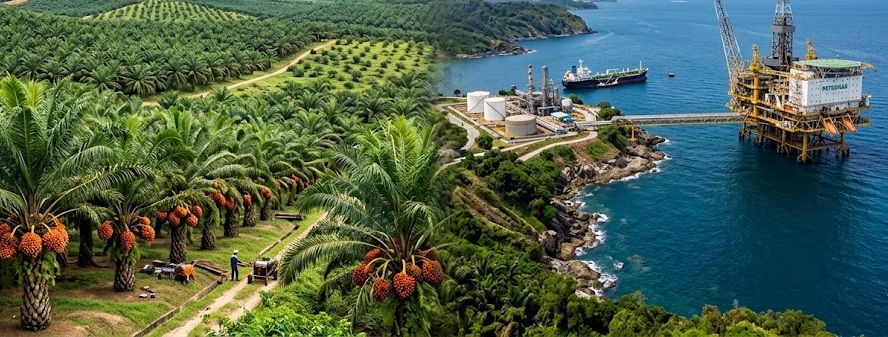
Malaysia is the ONLY country that is both a major oil producer AND the world’s 2nd-largest palm oil producer.
🛢 AS AN OIL PRODUCER
- Malaysia remains a net importer of crude oil and refined petroleum products.
- Petronas and its partners process approximately 600,000 barrels per day (bpd) of crude oil and condensate from the South China Sea.
- Sustained crude oil prices above USD 100 per barrel translate to significantly higher revenue and profits for Petronas.
- Can market as ‘Conflict-Free Oil’ to Asia-Pacific buyers.
🌴 AS A PALM OIL PRODUCER
- Malaysia remains the world’s second-largest producer and exporter of palm oil. While total production previously peaked at over 20 million tonnes.
- Palm oil is one of the most sustainable feedstocks for scaled SAF given its best-in-class land-use efficiency, high saturated fat content, and existing supply chains in Southeast Asia.
- Soaring crude prices and refinery bottlenecks are squeezing the aviation industry, with jet fuel hitting peak prices of over USD $181 to $200 per barrel in recent months. It is a crisis that is forcing airlines to dramatically increase fares, cut routes and desperately accelerate alternative fuels to survive.
- Malaysia’s Sustainable Aviation Fuel (SAF) supply chain actually boasts zero dependence on Middle Eastern fossil feedstocks.
THE STRATEGIC OPPORTUNITY: STRAIT OF MALACCA
31% negative | 40% positive | ~32K mentions
⚠️ RISKS
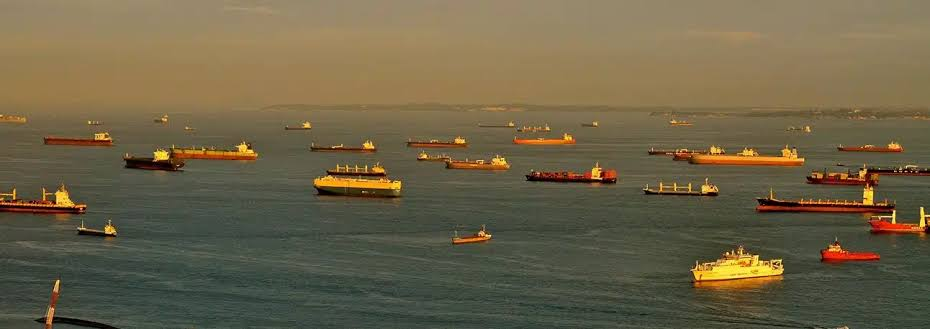
- Sabah’s port congestion is worsening, with cargo backlogs beginning to affect supply chain efficiency.
- The proposed Kra Canal could divert up to 30% of maritime traffic, reshaping regional shipping routes.
- Singapore’s Tuas Port expansion is progressing rapidly, narrowing Malaysia’s opportunity to strengthen its competitive position.
✅ OPPORTUNITIES
- Malaysia holds a strategic advantage by controlling the northern shoreline of the world’s busiest shipping lane, the Strait of Malacca.
- Pengerang is well-positioned to evolve into a leading LNG trading and distribution hub for Asia.
- Growing demand for sustainable aviation fuel (SAF) and low-conflict marine fuels creates new opportunities in green bunkering services.
🎯 WHAT TO DO
- Immediate intervention is needed to address operational challenges at Sabah’s ports and prevent further disruptions.
- Pengerang should be actively promoted to major LNG suppliers, including Qatar, Australia, and the United States, as a strategic gateway to Asian markets.
- Malaysia should champion the ASEAN Strategic Petroleum Reserve initiative at upcoming ministerial meetings.
WHAT TO DO NEXT? THE 24 MONTHS ACTION WINDOW
There is a narrowing window of opportunity for Malaysia to act. The combination of delayed decisions across energy, food, trade and fiscal policy represents an economic exposure of up to billions. Each month of inaction adds to the cost.
0–90 Days
- Declare Sabah ports for Accelerated Port Recovery Programme
- Establish 6-month National Food Buffer Stock
- Cut import duties: rice, flour, cooking oil
- The expansion of Operation Tiris (Ops Tiris 4.0)
- Negotiate USTR bilateral tariff arrangement
3–12 Months
- Economy Ministry: announce BUDI95 targeted criteria
- A public-facing, real-time price dashboard for the essential controlled items
- Sign first SAF export deal with major airline companies
- Expand Pasar Rakyat to 100 locations
12–24 Months
- Promote Pengerang to major LNG hub
- Position Bursa Sukuk as Gulf SWF’s non-dollar asset
- Expand BNM yuan-ringgit direct settlement framework
- Establish RM5B National Climate Resilience Fund
> 24 Months
- Announce the Sarawak Integrated Biorefinery Zone
- Start the ASEAN Strategic Petroleum Reserve initiative
- Position Strait of Malacca energy corridor